
Market Report Update: Tapioca Starch
 06 Aug, 2026
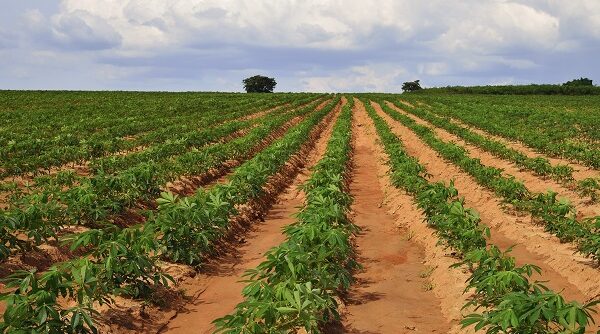
Tapioca starch prices have risen sharply since the start of 2026. Based on export data out of Thailand and Vietnam and current cassava crop forecasts, this update sets out where prices stand today, why they have climbed so far, and what the outlook is through the end of 2027.
Tapioca starch export prices out of Thailand have climbed approximately 45% since early January 2026, peaking in mid-June and holding near that level through July. Vietnam’s prices have risen by a similar amount over the same period.
What is behind the price increase?
Weather: drought conditions across key Thai growing regions have reduced root yields through the 2025/26 season. Dry conditions have persisted long enough that planted area and yield data in these provinces are now being watched closely as an early signal of how supply will develop over the rest of the year.
Disease pressure: Cassava mosaic disease and pest issues have continued to cut into harvestable output in both Thailand and Vietnam. Supply has also been patchy by region: in Vietnam, northern stocks ran low by February, and processors in the Central Highlands and Tay Ninh saw sudden price spikes as material ran short.
Planting material shortage: a shortage of healthy stem cuttings has limited replanting in Thailand, constraining next season’s supply as well as this one. That domestic shortfall was compounded in late January 2026 by tighter border controls restricting cassava imports from Laos and Cambodia, which had previously helped top up Thai processors’ supply.
Sustained demand: Thai factory processing capacity fell to around 62% in January 2026 as plants competed for scarce root, and buyer demand hasn’t eased either. China, the region’s largest export market, imported approximately 543,200 tonnes of tapioca starch in March 2026 alone for its food, fermentation, and animal-feed sectors, keeping competition for the reduced supply high even as prices climbed.
What does the future look like?
Thai industry forecasters project fresh cassava output to recover strongly in 2026, up an estimated 10–12% as La Niña-driven weather improves, before easing back again in 2027 as drier conditions are expected to return.
Prices are expected to remain above pre-2026 norms through the forecast window. That broad pattern is echoed in raw cassava root price forecasts, which are expected to ease in 2026 before firming again in 2027 as supply tightens once more.
For buyers, timing matters here. As the recovering 2026/27 crop reaches processors over the second half of the year, the easing this forecast points to should start feeding through into offer, but on the data available today, that relief looks temporary rather than permanent. Once drier conditions return in 2027, the same cassava-supply pressure that drove this year’s 45% price increase could reassert itself. That makes late 2026 the most likely window to lock in supply on better terms: waiting for prices to fall further risks missing that window rather than improving on it. Buyers who move while the market is easing, rather than after it has already turned, are best placed to secure predictable costs before tightening returns.


