
Maize Market Update: European Maize Harvest Outlook Improves
 04 Sep, 2026
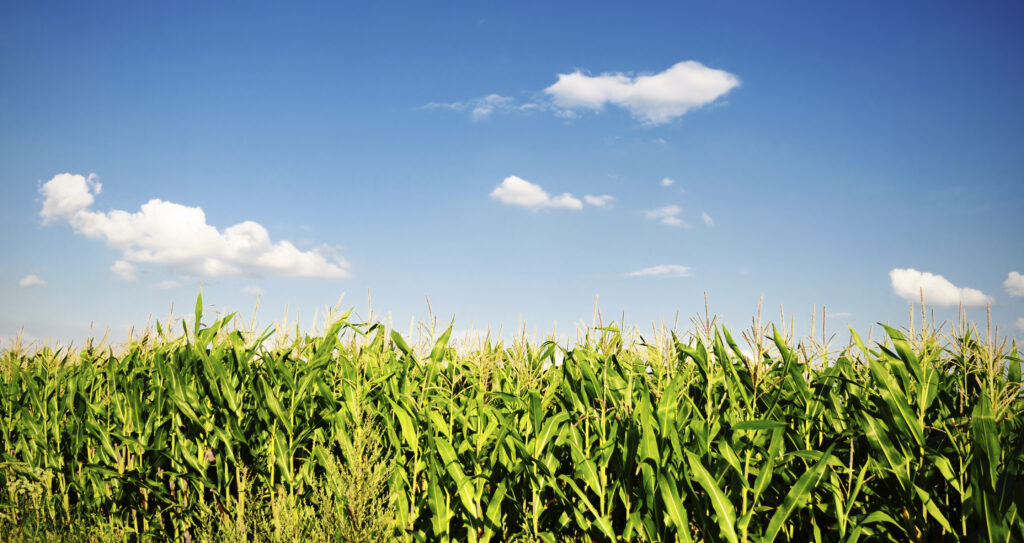
As the 2026 European maize harvest gathers pace, attention is turning to crop performance across the continent. Following a growing season marked by significant weather variability, the latest forecasts point to a mixed production outlook, with yield potential reduced in several key growing regions but stronger prospects emerging in parts of Eastern Europe.
While drought and heat stress have weighed on market sentiment for much of the summer, recent crop assessments suggest that stronger production in countries such as Romania could help offset some of the shortfalls seen elsewhere. As harvesting progresses through September and October, the balance between weaker yields in the west and stronger output in the east will become increasingly important in determining overall maize availability for the year ahead.
Harvest Progress Across Europe
Early harvest reports highlight the contrasting conditions experienced across Europe’s major maize-growing regions. Prolonged periods of hot, dry weather affected crop development in several key producing countries, particularly France, Germany, Hungary and Slovakia.
As a result, analysts have reduced yield expectations compared with earlier forecasts. Estimates were revised lower as the season progressed, moving from reductions of around 6-7% in July to as much as 14% below the five-year average in some regions.
The timing of these weather challenges has been particularly significant, with high temperatures coinciding with critical pollination and grain-filling stages. This limited yield potential across many crops and contributed to further downward revisions, leaving overall European production below the more optimistic expectations seen earlier in the year.
Although conditions have varied considerably between regions, the impact of summer weather remains a key theme across this season’s harvest, with final production figures now dependent on harvest performance over the coming weeks.
Eastern Europe Offers a Brighter Outlook
Despite the challenges experienced across parts of Western and Central Europe, crop prospects in Eastern Europe remain considerably more favourable.
Romania, one of the European Union’s most important maize-producing nations, is expected to deliver one of the strongest harvest recoveries in the region. Recent field assessments suggest production could reach approximately 8.7 million tonnes, representing an increase of around 20% compared with last year.
Average yields are estimated at 5.1 tonnes per hectare, a substantial 34% improvement year-on-year. This recovery follows a difficult 2025 season, when drought conditions significantly reduced output across much of the country.
Perhaps most notable, higher output is being achieved despite a reduction in planted area. Current estimates indicate Romanian maize acreage is more than 10% lower than last year’s 1.9 million hectares, highlighting how improved growing conditions and stronger crop performance have more than compensated for reduced planting.
Neighbouring producing regions have also reported improved crop conditions compared with the previous season, providing additional support to Eastern European supply expectations and helping to balance some of the production challenges experienced elsewhere in Europe.
What This Means for the Market
Market sentiment has improved considerably compared with earlier in the growing season. While drought and heat stress have reduced yield expectations across parts of Western and Central Europe, stronger crop prospects in Eastern Europe are helping to alleviate some of those concerns.
The balance between regional production shortfalls and stronger Eastern European output will be a key factor in determining overall maize availability for 2027. Although supply expectations now appear more balanced than they did earlier in the season, some uncertainty remains until harvest results are fully confirmed.
For manufacturers and buyers reliant on maize-derived ingredients, now is a sensible time to review forward requirements and consider securing coverage where appropriate. While the outlook has improved, final yield outcomes, harvest quality and any late-season weather disruptions will continue to influence market direction in the months ahead.


