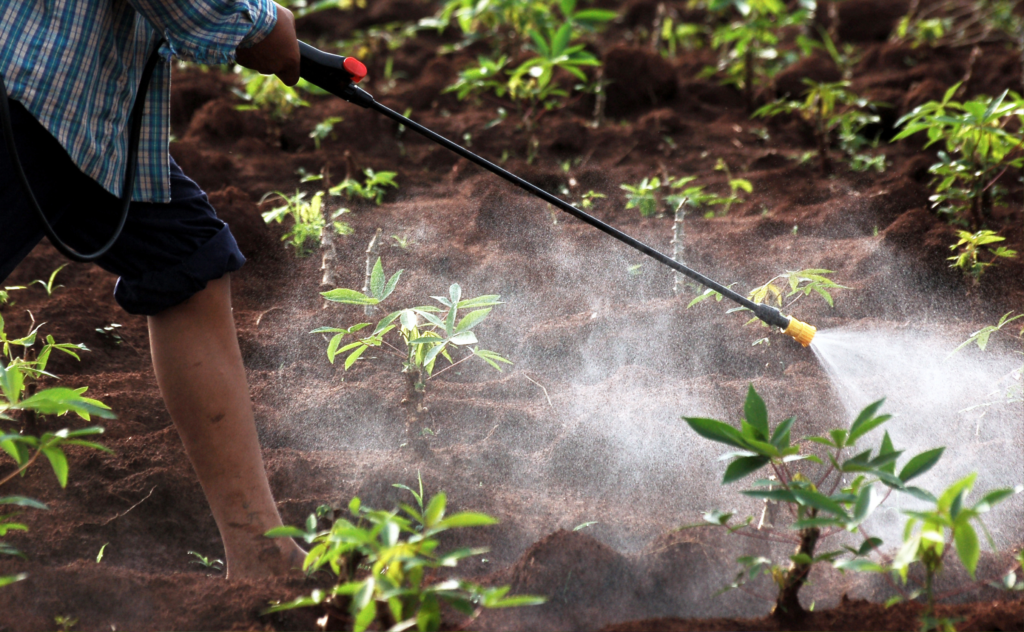
Tapioca Crop Report – September 2023
 13 Sep, 2023

Based on both firsthand observations and information obtained from local farmers and government sources, it is evident that this year’s crop production will be significantly lower than the previous year. The export prices have also been affected by fluctuations in currency exchange rates. This report outlines the key findings and implications of this situation
1. Crop Situation in Thailand
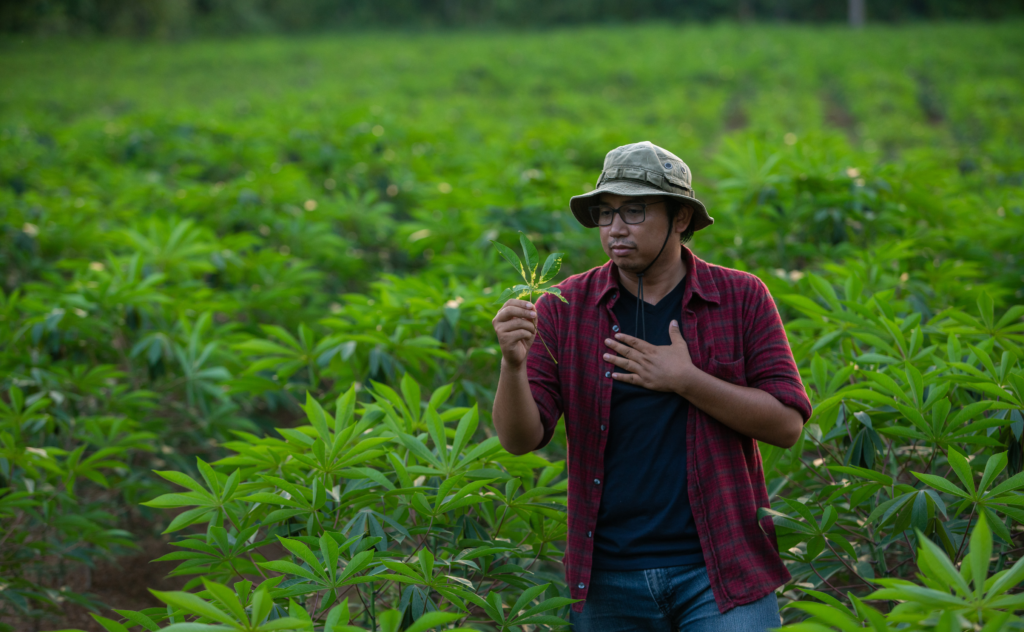
One of the main factors affecting tapioca production in Thailand is the significant shift in weather patterns. Climate change has led to unpredictable weather conditions, including irregular rainfall and temperature fluctuations. These variations in weather can negatively impact crop growth, affecting both the quality and quantity of the harvest. Another critical factor contributing to the decline in tapioca production is the outbreak of Cassava Mosaic Disease (CMD). CMD is a viral disease that affects cassava plants and can lead to stunted growth, reduced yields, and, in severe cases, crop failure. The outbreak of CMD has caused significant concern among Thai farmers, as it has the potential to devastate their livelihoods and disrupt the supply chain of tapioca products in the region.

2. Crop Situation in Vietnam
Vietnam, like its neighbouring country, Thailand, is also facing challenges in its agricultural sector particularly in the cultivation of tapioca. The recent crop situation in Vietnam mirrors the trends observed in Thailand. During a recent visit from our Thailand supplier to several regions in Vietnam, it was observed that the tapioca crop for this year is expected to be considerably lower than last year’s yield as is being experienced across the whole region.
3. Impact of Weather Conditions
Thailand experienced heavy rains that resulted in significant flooding in various areas, followed by a prolonged dry season characterized by hot and arid weather. These extreme weather conditions have had a profound negative impact on tapioca plantations. It is estimated that the crop yield for this year will decrease by approximately 10-15% compared to the previous year due to these unfavourable weather conditions.
4. Tapioca Root Supply Shortage
One of the key indicators of the crop situation is the scarcity of tapioca roots since the beginning of the year. Farmers are adopting a cautious approach, opting not to harvest their crops but instead preserving their tapioca plants (trees). This strategy involves retaining the tapioca tree stems to replant when favourable weather conditions return. This further emphasizes the seriousness of the crop yield reduction.
5. Long-Term Outlook
The current situation is expected to persist over the next couple of years until new tapioca varieties resistant to CMD are developed. There is a sense of hope that the ongoing El Niño event will not exacerbate the situation by causing a prolonged drought throughout the country, as forecasted. This underscores the need for continuous monitoring and adaptation to cope with changing climate patterns.
6. Price Trends
The impact of the aforementioned factors is evident in the price of native tapioca starch. Prices have been steadily increasing since the beginning of the year, primarily due to rising raw material costs and the supply shortage. It is anticipated that these price increases will continue given the supply situation explained above. Additionally, export prices have been influenced by the strength of the Baht in comparison to the US Dollar.
Conclusion
Due to the factors outlined above, the current crop situation for tapioca is very challenging. While there is optimism for the future with the development of CMD-resistant tapioca varieties, the industry should prepare for continued supply shortages and rising prices in the short term.
This report serves as a snapshot of the current situation and may require updates as new information becomes available.