CALL US FREE ON 0800 999 8876 OR EMAIL [email protected]
Bakerite
Please select your product requirement

Sample Page

Nutrigerm – experience the distinctive taste and explore the unique nutritional benefits


What is Nutrigerm?

Nutrigerm refers to a range of products made from maize germ and guaranteed GMO-free. Its “hazelnut” taste and its specific granule size make it the ideal ingredient to replace nuts in numerous applications, such as Breakfast Bars, Macaroon Fillings, and Cereal Breakfasts.

It is also 100% Nut-Free!

Nutrigerm is considered to be the most innovative premium ingredient providing you with outstanding results and a wide variety of nutritional benefits.


  • High in Fibre & Magnesium
  • Excellent Source of Essential Fatty Acid
  • GMO-free
  • Gluten-free
  • Flour Cereal Germ Oil
  • A Unique Toasting Process
  • Clean Label

Applications:


Nutrigerm Functionality Benefits:

  • Adds colour & flavour
  • Taste of toasted nut, hazelnut or bread
  • Stabilized in pasteurized emulsion
  • High water retention in hot liquid
  • Gluten-free
  • Non-GMO and clean label

Want to know more about our new product development? Get in touch today by calling us on 0800 999 8876 or filling out our online enquiry form.

Ingredients for success – Specialist Products

Premium quality and naturally gluten-free ingredients

The BakeRite Company is an experienced importer and distributor of a most unique and large range of Speciality Ingredients primarily for the bakery market. Our main goal is to provide you with premium quality and naturally gluten-free ingredients. We strive to source only the best Free From ingredients, from flours to starches, seeds, oats, flakes and even more.

Ingredients for success – Featured Specialist Products

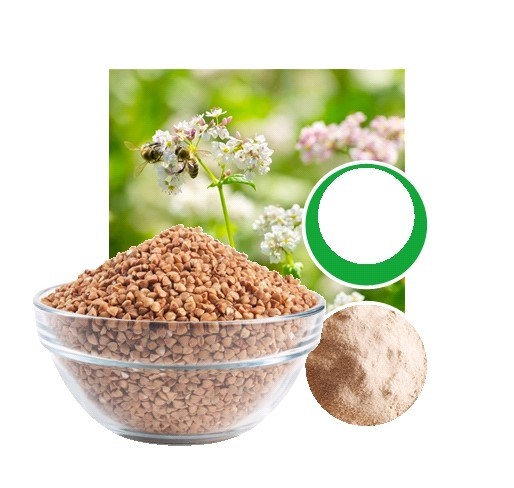
Gluten-Free Buckwheat Flour

Buckwheat Flour has a rich, nutty flavour, and is often mixed with other Gluten Free ingredients such as Tapioca or Potato. It is a pseudo-cereal crop that is a very good binding agent and can become very gelatinous when soaked. It contains higher levels of zinc, copper, and manganese than other cereal grains, and also provides a very high level of protein.
Taste: Soft, subtle flavour

Benefits of Buckwheat Flour 

  • High in fibre
  • High in amino acids
  • High in protein
  • High in niacin
  • High in vitamin B
  • Perfect for gluten-free baking
Buckwheat Flour

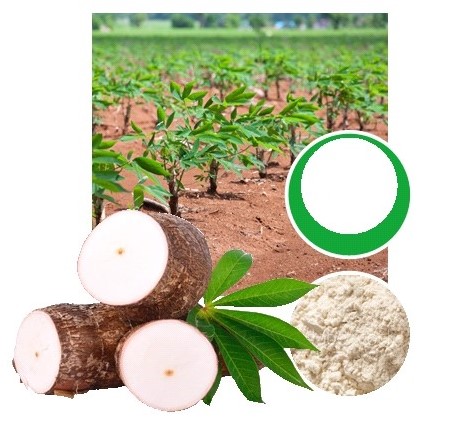
Gluten-Free Cassava Flour

Our Cassava Flour delivers baking performance, characteristics that closely mimic the structure, texture, and taste of many wheat-based products.

Appearance: White to creamy white powder
Aroma: Typical Cassava aroma
Flavour: Typical Cassava flavour

Cassava Flour

Benefits of Cassava Flour

  • Replacement for wheat flour in many applications
  • Healthy and natural
  • High in fibre (7%)
  • Enhanced functional properties
  • Non-GMO
  • Non-allergenic
  • Gluten-free
  • Clean label

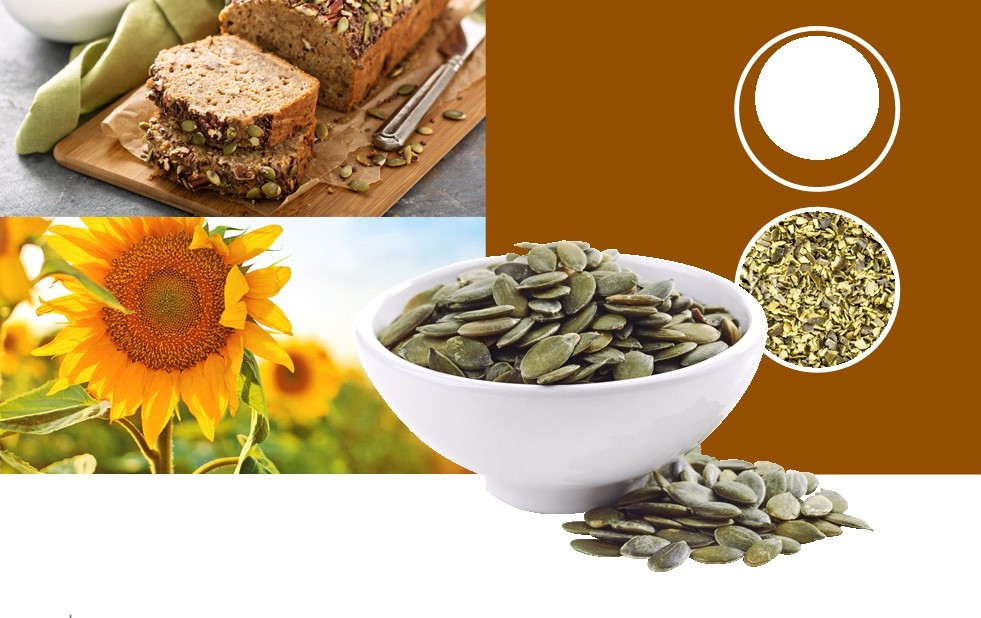
Allergen-Free Sunflower Chips

Completely Allergen Free, a
great replacer for Sesame
Seeds
. An excellent way of
adding flavour to products,
they can be over 3 times more
cost-effective than other
seeds!

sunflower chips

Our range of specialist products will fulfil all your specific requirements. Enquire today and request your free sample!

Alternative protein sources for vegan foods

A survey conducted in early 2018 showed a significant spike in the number of people switching to a plant-based diet from 2016, with more than 3.5 million people in the UK identifying as vegan. As more and more consumers switch to a vegan diet, the need for alternative sources of protein is now more important than ever. Here at BakeRite, we stock a number of nutritious ingredients that lend themselves perfectly to this application.

Here’s our 10 top ingredients for boosting the protein count of your vegan products:

10. OATS

BakeRite Oat Flour contains 12.3g of protein per 100g.

Oats are a quality source of protein, containing more than most other grains. Oat Flour is loaded with nutrients and is even said to lower cholesterol levels and Oat Groats are especially useful ingredients for enhancing the nutritional value of vegan foods, as they are minimally processed and therefore retain their high nutritional value. They are commonly rolled or crushed to make flat Oat Flakes, which make a chunky and rustic healthy porridge or can be used as an alternative to plain rice.

9. BUCKWHEAT FLOUR

BakeRite Buckwheat Flour contains 12.9 g of protein per 100g.

Despite its name, buckwheat is actually the fruit of a plant that’s related to rhubarb and sorrel. It has a rich, nutty flavour and is naturally gluten-free. Buckwheat Flour can be mixed with other flours like Tapioca and Potato to create a nutrient-packed mix for pasta and breads, or alternatively, Buckwheat Flakes make a great wholesome breakfast cereal for those on a vegan diet.

buckwheat flour

8. QUINOA FLOUR

BakeRite Quinoa Flour contains 14g of protein per 100g.

The quinoa grain, once a staple grain of the Incas, is recognised for its superior nutritional qualities and has even been dubbed “The Mother Grain” as well as a “superfood”. Whilst the amount of protein in quinoa is a little lower compared to the other ingredients coming up on this list, this nutrient-rich ingredient is a fantastic source of complete protein, providing all 11 of the essential amino acids, as well as being high in calcium, iron, E and B vitamins and phosphorous. It’s a fantastic replacement for wheat flour in cakes and cookie recipes. Quinoa Seeds and Quinoa Flakes are a great addition to savoury stews and soups, with a delicious, slightly nutty flavour.

7. CHIA SEEDS

BakeRite Chia Seeds contain 17g of protein per 100g.

These tiny black seeds are taken from the chia plant and are very nutrient rich. They are 14% protein, hence they make a welcome addition to vegan recipes. They are packed with fibre, omega 3 fatty acids, essential minerals, and antioxidants. Try Chia Seeds as a topping for salads and soups or include them in free-from yogurts and sauces as a thickener.

chia seed yoghurt pudding

6. PEA FLOUR

BakeRite Pea Flour contains 18g of protein per 100g.

Pea Flour is produced from yellow split peas, which are part of the legume family, know to be among the best sources of plant protein. The peas are roasted before being milled, and this roasting process enables greater access to protein and starch, hence increasing the nutritional value. This flour can be used across both sweet and savoury cooking, with a subtle pea flavour that can easily blend in with other ingredients. It’s great for batters, pancakes, bhajis, and pasta, plus you can make quick and easy soups, sauces and dips.

5. LINSEED MILLED

BakeRite Linseed Milled contains 19g of protein per 100g.

Linseeds are a perfect contender for replacing animal proteins in your free-from recipes. Otherwise known as ‘flaxseeds’, linseeds are small oilseeds originating in the Middle East thousands of years ago. They are an excellent source of fibre and omega 3 fatty acids as well as protein. Sprinkle these on cereals, include in bakery recipes for a boost in nutritional value and texture, or crush them and add to bread, pancakes, muffins, bars, and cookies. Linseeds are especially known for their subtle nutty flavour and decorative effect in bread-making.

linseed bread

4. CHICKPEA FLOUR

BakeRite Chickpea Flour contains 20.9g of protein per 100g.

Also known as Gram Flour or Garbanzo Flour, Chickpea Flour is a nutrient-rich and naturally gluten-free alternative protein. This pale yellow powder is packed full of vitamins and minerals as well as dietary fibre. Its earth flavour means that chickpea flour is better suited to savoury dishes and it can be used to thicken soups, sauces or gravies. Use it to replace up to 25% of the flour in your baking to boost the protein value of the recipe.

3. SOYA FLOUR

BakeRite Soya Flour (Low Fat) contains 54.6g of protein per 100g.

Soybeans are one of the best sources of plant-based protein. High in oils and fats with a protein content of around 54%, our BakeRite Soya Flour is a very popular, all-round ingredient that contributes many benefits to flour mixes. Using soya flour is a great way to reduce the carbohydrate load of any baked product, while at the same time improving the food’s protein content. As well as being an excellent source of protein, soya flour is rich in iron, vitamin B and calcium.

soya flour

2. RICE PROTEIN

BakeRite Rice Protein contains 79g of protein per 100g.

Rice Protein Isolate provides the full spectrum of essential amino acids and is also considered hypoallergenic, being free from dairy, soy, and wheat. Not only is this a great dairy-free alternative to whey protein, it’s also good for the environment as it’s a bioavailable protein. It has a less ‘gritty’ texture than soy or pea protein and a bland taste that allows it to be used in a wide variety of recipes. Heat doesn’t damage the protein value in Rice Protein, which means it’s unaffected by cooking or baking.

1. PEA PROTEIN

BakeRite Pea Protein contains 81.3g of protein per 100g.

You may be surprised to find that Pea Protein is our number 1 for protein content. Pea Protein Isolate is a highly concentrated protein product sourced from yellow split peas. The extraction and purification processes that these peas undergo raise the protein content, which results in a protein that is highly soluble and therefore easy to digest and absorb. This protein has a mild taste and palatable texture that blends with other flavours, making it an increasingly popular protein replacement in vegan foods. As it’s highly soluble, it’s great for mixing into soups and stews to thicken. Alternatively, you can mix it into snack bars, shakes, and oatmeal or in dairy-free milks, smoothies, yoghurts, ice creams, and mayonnaise. It can even be used in faux meats and vegan burgers, mimicking the taste and feel of meat.

Read our blog post for more reasons why you should be using Pea Protein.

Looking for protein-rich ingredients for your vegan food products?

Our passion is finding the best free-from ingredients for your recipes, get in touch with the BakeRite team today and our NPD team can work with you to find the best solution.

Give us a call on 0800 999 8876 or email [email protected]

How to use Tapioca in your free from recipes


Tapioca is an extremely versatile ingredient that can bring extra nutritional value and play a key role in recipes, with useful binding and gelling properties. It’s a great option for gluten-free food applications, so we decided to explore how you can use tapioca to enhance your Free From products.

What is tapioca?

Native to South America, the tapioca root (also known as Cassava, Manioc or Yucca) is the third most important carbohydrate in the world. The Cassava plant is a root vegetable with a surprising amount of useful properties, thriving best in tropical, fertile ground. It is a common ingredient throughout the tropical and subtropical regions of South America, Asia, Africa and the Pacific Islands. The biggest tapioca producers are Nigeria, Thailand, Indonesia and Brazil.

Recently, Tapioca Pearls have become somewhat of a trend, with more and more interest in the Taiwanese favourite, bubble tea.

Tapioca Starch

Tapioca Starch has a wide range of properties that make it a valuable ingredient in the food industry.

It can be used directly as cooked starch, or as a thickener, filler, binder or stabiliser.

The paste properties and high water-holding capacity of starch make it perfect for thickening and stabilising applications. Use this versatile starch as a thickener and stabiliser in fruit pies, soups, puddings, breads, sauces, soy, and meat products.

When used as a binder, Tapioca Starch will consolidate the mass and prevent products from drying out during cooking. Not only will it withstand long cooking times without breaking down, but products made with tapioca won’t lose their quality when frozen or reheated because it retains its impressive thickening capability throughout these processes.

Tapioca Starch becomes clear and gel-like when cooked and dissolves completely when used as a thickener. These superior gelling properties make it a preferred option over many other starches on the market.

If you’re working on a recipe and you’re concerned about Tapioca Starch overpowering the flavours in your product with that ‘starchy’ taste, there’s no need! This ingredient has a neutral taste that won’t mask the delicate flavours in your recipes.

It can also improve the appearance of your products, with the ability to give food a transparent, glistening sheen. The result is a perfectly smooth filling and a high gloss that makes the dish look even tastier. This is particularly great to use with high-acid fruits or a lattice-type pie.

 lattice fruit pie

Tapioca Starch Applications within the Food Industry:

  • Baby Foods
  • Bakery
  • Biscuits
  • Confectioners Custard
  • Dairy Products
  • Filled Sweets
  • Frozen Foods
  • Ice Creams
  • Icings and Whipped Toppings
  • Light Food
  • Mayonnaise
  • Pastas
  • Puddings
  • Salad Sauces
  • Snacks


Cassava Flour

Although Tapioca Starch and Cassava Flour come from the same source they are very different products. Cassava Flour is a great alternative to wheat based flours, with the ability to replace it in biscuits, bread products, brownies, cookies, crepes, pancakes, waffles, and almost any other product that is usually made using wheat flour. It has a similar texture to cornflour and is often used as a thickening agent in soups, purees, and puddings.

Thanks to its similarities to standard wheat flours, it replaces the need to use a complex formulation of flours, starches, and hydrocolloids that are normally required in gluten-free products. This also results in far simpler, more consumer-friendly labels!

tapioca dessert

Tapioca in Free From recipes

Tapioca has a range of positive attributes. We love tapioca for its versatility and Free From properties: tapioca is gluten-free, nut-free and grain-free. It is high in fibre and contains small amounts of iron, while also being low in cholesterol and sodium.

Native tapioca is being used much more extensively in the food manufacturing sector in recent years, especially in the gluten-free market. High profile companies like Yeo Valley, Warburtons, and Mattessons are using it to enhance a variety of popular products, including gluten-free yoghurts, pizza bases, bread, wraps, crisps, biscuits and pastries.

free from biscuits, tarts and cookies

BakeRite’s Tapioca

We stock Tapioca Starch and Tapioca Pearls, which we source from Brazil and Thailand. Quality Assurance is our main priority, and we are very proud to source from the only factories in Thailand that are BRC certified. By only dealing with Tapioca Starch producers that have sufficient quality assurance controls in place, we ensure that we have a good quality product and that the total hydrocyanic acid content of the product does not exceed the accepted level of 10mg/kg.

Watch our tapioca videos showcasing our Brazilian tapioca processes on our website or get in touch to request more information on our tapioca ingredients and full product range today.

Want to explore how Tapioca could make a difference to your Free From products?

Contact our team today on 0800 999 8876 or email [email protected] to discuss the options.

Why you should be using Pea Protein

With more and more people being diagnosed with food allergies and intolerances, the demand to seek out foods that are free from triggering ingredients is growing. As part of this, people are looking to alternative sources of protein and one of the latest additions is Pea Protein. Here’s why the humble split pea is worth your attention…

What is Pea Protein Isolate?

Pea Protein Isolate is a highly concentrated protein product sourced from yellow split peas. These are part of the legume family, known to be among the best sources of plant protein.

The extraction and purification processes that these peas undergo raise the protein content to a minimum of 84% from just 6%, which is the level usually found in fresh peas. This results in a protein that is highly soluble and therefore easy to digest and absorb.

Our Pea Protein has a mild taste and palatable texture that blends with other ingredients and flavours, hence it’s becoming hugely popular as a replacement protein supplement in vegan and vegetarian foods.

Why it’s great for today’s market

Pea Protein is a great option for raising the protein levels in free from food, as it’s not derived from any of the 8 most common allergenic foods, these being milk, eggs, peanuts, tree nuts, soy, fish, shellfish and wheat. These triggering foods are often used in the creation of other protein supplements, hence Pea Protein is attracting some serious attention in today’s market.

These other protein options, such as whey, casein, egg and soy can be harder for a lot of us to digest, particularly those sensitive to gluten, lactose, soy or dairy. With Pea Protein you’re avoiding all of the most common offenders, making it a fantastic option for those with various dietary restrictions.

Along with free from diets, plant based eating is also becoming more popular. In fact, there was a 350% rise in the number of vegans in Britain from 2006 to 2016 and a 185% increase in vegan products launched in the UK during this period. Pea Protein is free from dairy products, eggs and all other animal products, so it’s great for providing the protein that vegans and vegetarians need in their diet.

Benefits of pea protein

Additional benefits

Whilst at first glance you may assume that peas aren’t up to the task of providing the protein we need, there’s more to this little vegetable than meets the eye.

Our Pea Protein Isolate contains a unique array of essential and non-essential amino acids, such as leucine, isoleucine and valine and is richer in arginine than any other commercially available protein. It is also a great source of many other nutrients including fibre, vitamin B6 and iron. Hence it provides the consumer with a good source of protein and covers many of the key requirements of a fully balanced diet.

It is also low in fat, carbohydrates and cholesterol and is 100% GMO free. Not only this, it is a highly sustainable protein source and far kinder on the environment than animal-based proteins as peas need less water and energy to grow. Perfect for appealing to the growing number of health and environmentally conscious customers who are highly aware of the impact of the products they choose.

What can it be used for?

Pea Protein is unsweetened and has a mild savoury taste, making it the ideal ingredient to mix into other foods to boost the protein content. As it’s highly soluble, it’s commonly mixed into free from soups and stews to thicken.

It’s also great for mixing into snack bars, shakes and oatmeal as a post-workout boost, and in dairy free milks, smoothies, yoghurts, ice creams and mayonnaise as it delivers the required calcium as well as protein. It can even be used in faux meats and vegan burgers, mimicking the taste and feel of real meat.

pea protein oatmeal

Summary of the benefits

  • Free from 8 most common allergy triggers
  • Free from any animal products
  • Provides a great source of protein
  • Mild savoury taste that’s easily masked
  • Highly soluble making it easy to digest


Ready to start using Pea Protein in your recipes? Get in touch with our team today on 0800 999 8876 or email [email protected]

The advantages of Egg Powders vs. natural eggs

Fresh egg plays an important role in the vast majority of food products, but is there a better alternative?

Here at BakeRite, we supply a range of Egg Powders to a variety of manufacturers, and they’re already seeing the impact this versatile product can make. Read on to find out why…

What are Egg Powders?

Our Egg Powders are manufactured by fully dehydrating real eggs, which is done via a method called spray drying. Spray drying involves rapidly drying a wet substance, and because water makes up 75% of an egg the final product is a highly versatile powder. The consistency and texture is similar to that of powdered milk and has a variety of benefits and applications across the food industry.

Powdered Egg carries all the usual nutritional benefits of a fresh egg, without the worry of it going bad! They offer a good source of protein, immune-boosting properties, and antibacterial qualities.

What are they used for?

Egg powders can be incorporated into a number of recipes, and they’re especially useful for producing free from foods as they’re entirely gluten-free! Egg white powders are also ideal for making low-fat recipes for the more health-conscious consumers.

They provide functional and logistical benefits to bakery applications, playing the same role a fresh egg would. It can be added to bakery recipes without the fuss of having to mix with liquid beforehand, all you need to do is add the amount needed and the required amount of water and carry on with the usual recipe process. Whether it’s for cakes, bread, biscuits, muffins or pancakes; you’ve got a no-mess, no-fuss, and free-from-friendly egg replacement.

You can also use egg powders as a replacement in omelettes and scrambled eggs, or soups and sauces – in fact almost any product that usually contains fresh egg. All you need to do is add liquid!

Advantages of egg powders

How they benefit the manufacturing process

Here’s where egg powders are really tough to beat. Not only are they very affordable, but they are also a far more convenient option when using egg products in a variety of common manufacturing processes.

Our BakeRite Egg Powders come with a shelf life of up to 2 years, provided they are stored correctly in a cool, dry, dark place. There’s no need for refrigeration and no need to worry about when your batch of eggs will go off! You can order exactly the amount you need for your recipe and relax knowing every product will be consistent in quality, texture, and taste.

If we take into account that 800 grams of liquid albumen can be replaced by just 100 grams of Egg Albumen Powder, it’s easy to see why so many companies are opting for dehydrated eggs. Being smaller in volume to fresh eggs means they can be accommodated in a smaller package, so it’s easier to transport and saves you valuable storage space.

They can also save you time, by removing the hassle of separating the yolk from the whites and allowing you to measure out precisely the amount of egg required in each batch. Plus if you ever needed to use half an egg, it’s possible! With no waste produced, you’re saving on money and reducing clean up time.

Summary of the advantages

  • Entirely gluten-free
  • Space-saving
  • Reduced weight per volume
  • Non-perishable
  • Consistent results
  • Less mess!

Want to find out how much of a difference Egg Powders could make to your manufacturing process?

Our range includes Egg Albumen Powder, Egg Yolk Powder, and Whole Egg Powder, all available as Standard, Barn, or Free Range.

Get in touch with the BakeRite team today on 0800 999 8876 or email [email protected]